Suite-Style vs. Kennel-Style Dog Boarding: Which Is Worth It?
Suites cost roughly 2x kennels. Here's when that's worth paying for.
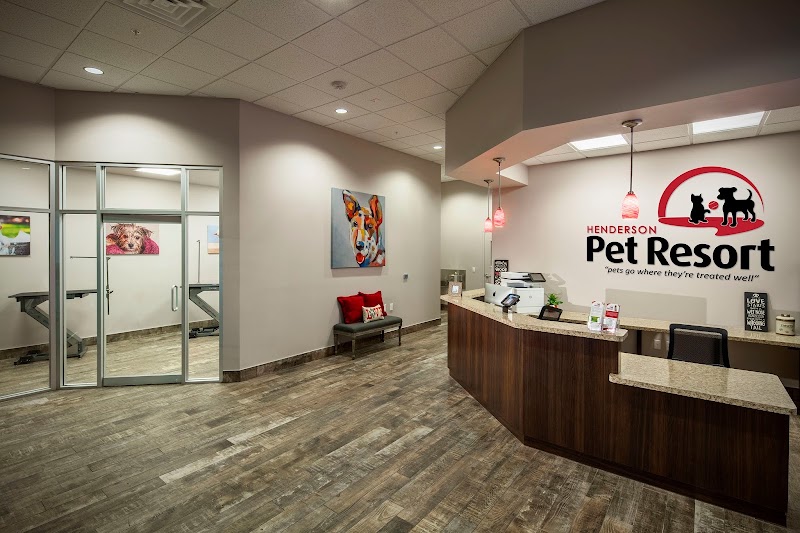
Your dog needs boarding for five nights while you're away. You find two facilities ten minutes apart: one charges $45 a night for a kennel-style run; the other charges $85 for a suite with a real bed, a window, and a camera feed. The difference is $200. So: is the suite worth it?
The honest answer is: it depends on your dog. But there are useful patterns.
What You're Actually Paying For
Let's start with what suite-style and kennel-style actually mean, because the marketing language blurs them together.
Kennel-style (also called run-style) boarding is the traditional model: your dog occupies a rectangular enclosure, usually 5–8 feet long and 4–6 feet wide, with concrete or rubber flooring. Staff bring food, water, and attention. Dogs get outdoor time, but the overnight space itself is utilitarian—a place to sleep and wait.
Suite-style is different. A suite has real walls (not chain-link), a solid door (not a gate), flooring that isn't concrete, often a raised bed, sometimes a window or a camera feed you can access remotely. Some facilities offer themed suites, memory-foam beds, or even music and TV. The physical footprint per dog is larger—sometimes 2–3 times larger than a traditional kennel.
The difference in operational cost is real. A suite-equipped facility needs more square footage, which means higher rent or property costs. Lower density (fewer dogs per building) means fewer boarding slots to amortize overhead. Premium bedding, climate control, and camera systems add thousands in capital investment. That's why suites consistently cost $40–100 more per night than traditional runs at equivalent facilities.
The question isn't whether the cost difference is real. It is. The question is whether the difference *matters* for your specific dog.
When Suites Are Genuinely Worth It
**Anxious or noise-sensitive dogs.** If your dog shuts down in loud, chaotic environments—barking from adjacent kennels, unfamiliar sounds, the general sensory overload—a suite's solid walls and quieter setting can be transformative. Anxiety manifests as poor eating, no sleep, stress behaviors. A dog that won't eat or sleep is a dog that'll be miserable for five nights. In that case, the $200 premium is cheap insurance.
**Senior dogs.** Older dogs don't bounce back from stress the way younger ones do. They also often have less bladder control, less tolerance for noise, and a stronger preference for familiar routines. If your senior dog is already anxious, arthritic, or has medical needs, the suite's climate control, softer bedding, and quieter environment make a measurable difference in their comfort and health.
**Stays longer than three nights.** A single night in a kennel is fine for most confident, well-adjusted dogs. But by night four or five, the cumulative stress of a noisy environment, hard flooring, and unfamiliar surroundings compounds. Dogs that would tolerate a run for 48 hours may actually suffer over a full week. Longer stays justify the premium.
**Dogs with separation anxiety or poor sleepers.** If your dog has a history of not sleeping well without you, or if you know they pace and whine when stressed, a suite with softer bedding, a camera feed (so you can check in), and lower ambient noise is worth the money. You're buying peace of mind *and* better sleep for your dog.
When Kennel-Style Is Fine
Here's what the marketing won't tell you: most dogs do fine in well-run kennel-style facilities.
A confident, social dog who bounces between other dogs and isn't phased by noise? They'll sleep well enough on a clean rubber mat for two nights. They'll get plenty of interaction, playtime, and staff attention. The run's small size is irrelevant to their contentment because they're not anxious about space.
Short stays (one or two nights) don't usually warrant the suite premium, even for slightly anxious dogs. The stress of transition is real, but it peaks around hour six and often resolves by hour 18–20. By the time the noise and unfamiliarity actually start wearing on a dog, they're already heading home.
And if the kennel-style facility is genuinely excellent—professional staff, good outdoor time, clean facilities, low dog-to-staff ratio—the accommodation type matters less than you'd think. A well-run traditional facility often beats a neglected suite operation every time. The facility matters more than the suite.
The Middle Path: Both Tiers Under One Roof
Many of the best facilities now offer both suite and kennel options within the same building. This is worth seeking out.
Why? Because it solves the problem. You get transparency about pricing (suites cost more; runs cost less), genuine choice based on your dog's needs rather than an artificial binary, and the assurance that both tiers are being operated to the same standard.
Take [Luxury Acres Pet Resort](/facility/luxury-acres-pet-resort-kendall-ny) in Kendall, New York. It's a 100-acre cage-free retreat with private suites, 24/7 live-in staff, and miles of trails. But it also offers standard accommodations for dogs who don't need the premium tier. You're not forced to upgrade; you're choosing it.
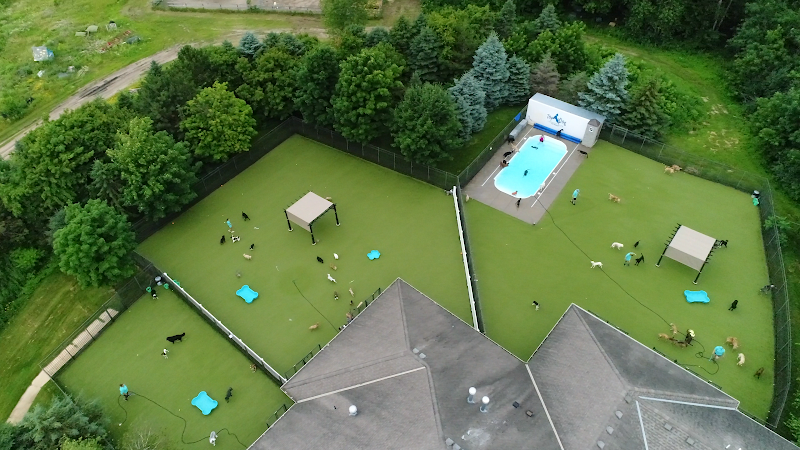
Similarly, [Top Dog Country Club](/facility/top-dog-country-club-new-germany-mn) in New Germany, Minnesota operates heated suites on a 39-acre property with a 34-foot pool and 5–6 hours of daily supervised play. But the model is the same: suites are an option, not the default.
Other standout suite-style facilities in the directory include [Mount Pleasant Avenue Premier Canine Villas and Spa](/facility/mount-pleasant-avenue-premier-canine-villas-and-spa-league-city-tx) in League City, Texas, which offers cage-free villa suites with 24/7 live cameras; [Bed and Bark](/facility/bed-and-bark-waxhaw-nc) in Waxhaw, North Carolina, with custom HVAC in private suites; and [The Noble Dog Hotel](/facility/the-noble-dog-hotel-greenville-sc) in Greenville, South Carolina, featuring five-star suites with 24-hour care and personalized enrichment.
Across our directory, roughly 1,487 facilities offer suite-style accommodations. But the distribution is uneven: they're concentrated in urban and affluent areas. If you're in rural Montana, for example, your choice might be [Luxury Unleashed](/facility/luxury-unleashed-havre-mt) in Havre—a boutique resort with private themed cottages and memory-foam beds—or a traditional kennels two hours away. In that case, the suite isn't optional; it's the only game in town.
The Framework: Matching the Facility to the Dog
Here's how to decide:
**Is your dog anxious, senior, or a poor sleeper?** Suites are worth it. The quiet, familiar space, the softer bedding, and the reduced stimulus compound into better outcomes over multiple nights. Budget the extra $40–100 per night as part of caring for a dog that needs it.
**Is your dog confident, social, and staying for one or two nights?** Kennel-style is fine. Find a well-run facility with good reviews, watch the staff-to-dog ratio, and save the $200.
**Is your dog anywhere in between?** Look for a facility that offers both. That way, you can ask the staff: "Based on what you know about dogs, what would you recommend for mine?" A good facility will give you honest guidance instead of pushing the premium option.
One more thing: if you're genuinely uncertain, book the run for a short trial stay first. See how your dog handles it. Most dogs surprise their owners by doing just fine in an unfamiliar kennel run, especially if the facility is clean and the staff is attentive. You can always upgrade next time.
The suite isn't a status symbol. It's a tool—sometimes essential, sometimes unnecessary. The best facilities understand that and let you choose based on your dog's actual needs, not their margin. That's when it's worth paying for.
Facilities mentioned
Mount Pleasant Avenue Premier Canine Villas and Spa

Luxury Unleashed
Henderson Pet Resort
Top Dog Country Club

Bed and Bark

Luxury Acres Pet Resort

The Noble Dog Hotel

FurBabies Resort and Spa
Keep reading
- What Makes Dog Boarding “Luxury”? A Definition That Actually Holds Up
Cutting through the marketing — what the word actually means, and how to spot it.
- Pet Resorts vs. Kennels vs. In-Home Boarding: An Honest Comparison
Three categories, three different jobs. Here's how to tell which one your dog actually needs.